Recycled or upcycled. In textiles and bags which is better?
From the electricity supply you choose to the milk you put in your coffee, even your yearly holiday, it’s more possible than ever to choose a greener, more sustainable option when making a purchase.
And as businesses have recognised the need (and consumer demand) for sustainable, lower-carbon products and services, the terminologies used to describe them have evolved. ‘Recycled’, ‘upcycled’, ‘refurbished’, ‘second-chance’ - these terms that were once on the periphery of consumer goods are now very much mainstream.
In the world of luggage, bike, and travel bags, the use of recycled materials has exploded. Everything from a simple backpack to more complex bicycle panniers can be made from recycled materials - and at scale too!
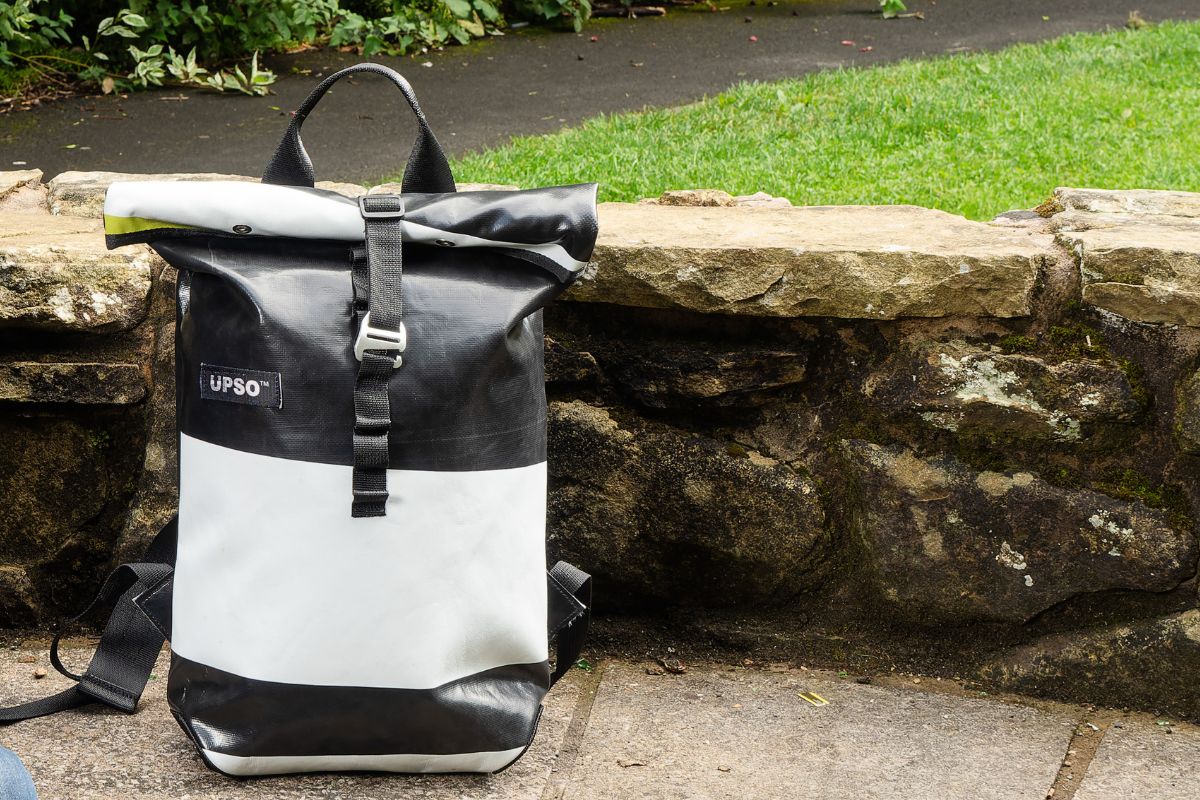
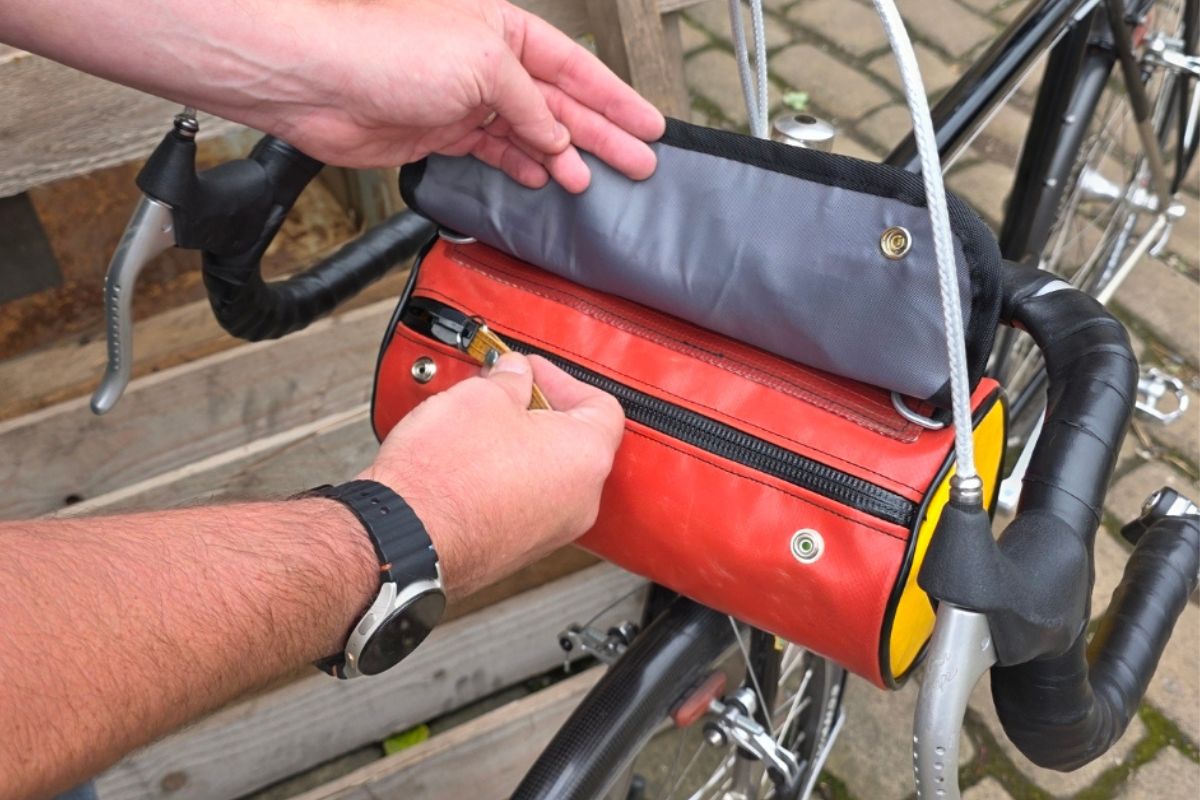
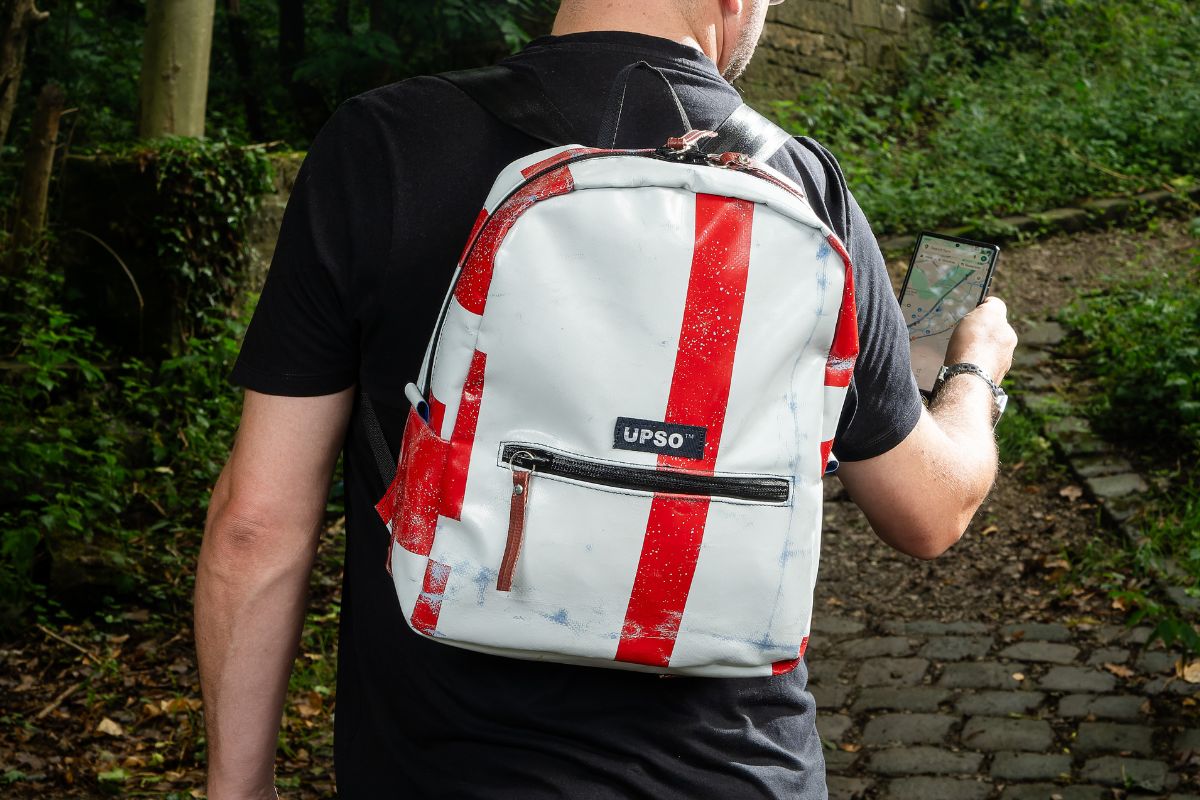
Strictly speaking, UPSO bags are upcycled - we take truck tarp and seatbelts and turn them into our bags without changing those materials - but with many consumers still confusing ‘recycling’ and ‘upcycling’, we thought it was worth taking a deep dive into the world of circularity.
For an expert take on this subject, we spoke to Nin Castle, Co-Founder and Chief Program Officer at Reverse Resources - a leading company in this space whose aim is to make textile waste traceable, tradeable, and transformable. Connecting titans of the global fashion world with waste handlers and recyclers, she knows a thing or three about eliminating waste.
Here’s how our conversion played out.
Recycled or Upcycled - what’s the difference?
Starting with the basics, what’s the difference to a recycled product and an upcycled one? Over to Nin. “I think both consumers and the industry still confuse recycling and upcycling, although these terms will likely become better defined as the circular economy develops further,” she says.

“In simple terms, upcycling is about taking something that already exists and turning it into a product of equal or higher value without fundamentally changing the material itself. For example, using deadstock fabric to create a new garment, or transforming old clothes into new clothes.”
Nin continues, “recycling is different because the material is broken down mechanically or chemically and converted back into a raw material form, such as fibre, pulp, pellets, before being used again.”
Is choosing upcycled more sustainable than recycled?
So now you know the difference between recycled and upcycled, which of these offers the better environmental outcome?
Here’s Nin again. “Upcycling offers a better environmental outcome because it usually requires far less energy and processing than traditional recycling. If you can take a deadstock fabric and use it directly to make a new product, that is much more efficient than breaking the material down through mechanical or chemical recycling, then rebuilding it again into fibre, yarn and fabric before it can be cut and sewn into a new product.”
She continues, “So in many cases, upcycling is both more environmentally beneficial and more cost-efficient. That said, not all textile waste can realistically be upcycled. Smaller cutting scraps or heavily damaged materials, for example, are much better suited to recycling processes.”
Why aren’t all businesses working with upcycled materials?
So given that upcycling is better for the planet, why aren’t all products upcycled? Back to Nin again. “One of the biggest challenges for brands today is balancing quality, availability and cost when working with recycled fibres. At the moment, the most widely available recycled natural fibres are mechanically recycled cotton and wool, which can be cost-competitive but often do not yet match virgin quality at high recycled content levels. You can still produce very good fabrics, but typically they need to be blended with virgin fibres.”

So what can be done, we ask? “Chemical recycling has the potential to change this by enabling high-quality, potentially 100% recycled fabrics that perform similarly to virgin materials,” she says. “However, the industry is still at a very early stage, so availability is limited, and costs remain relatively high because these supply chains have not yet scaled.”
Circular products and material traceability
Here at UPSO, we source truck tarp, seatbelts and fire hoses from trusted local suppliers before inspecting them for damage at our UK factory. Does Nin think that represents a blueprint for material traceability, we ask. “Traceability is important, but not for its own sake,” she confirms.
“In textile waste and deadstock supply chains, it should be the by-product of a well-functioning system that enables recyclers to access materials at the right quality and price. At the same time, brands have a responsibility to understand and verify what happens to their waste streams, and to prove the use of deadstock or recycled materials in their products as part of measuring and demonstrating their sustainability performance.”
Product certifications for upcycled or recycled items
What should consumers look for if they want to identify truly sustainable, recycled, or upcycled items versus items that could be greenwashed, we ask Nin.
“For recycled products, consumers should look for recognised certifications such as GRS (Global Recycled Standard), which helps verify that a product contains a minimum level of recycled content,” she affirms. “Standards and certifications like this are important because they give the industry a way to verify sustainability claims and reduce greenwashing.”

“For upcycled or deadstock products, there is currently less standardisation, so transparency becomes much more important. Consumers should look for brands that clearly explain where materials come from, how products are made, and whether they can provide traceability data or measurable information around environmental savings.”
The future of recycling, upcycling, and circularity
So what does the future hold for the circular economy - particularly in the world of textiles.
“I’m stubbornly optimistic, and although progress is slower than I would like, I do believe the industry is moving in the right direction,” says Nin confidently.
“Over the next 5 to 10 years, I think we’ll see a much broader circular ecosystem emerge - not just different recycling technologies, but also more upcycling, repair, resale and reuse models working together.
“There is no single solution to circularity, and brands need to understand that true circular systems require multiple pathways depending on the product and material.”
Summing up, Nin says, “there are still major challenges today, particularly around collection, sorting, economics and scaling new technologies. But with improvements in textile collection systems and the development of chemical recycling technologies, we have a real opportunity to create new circular business models, and significantly reduce textile waste.”